
Your tenant has reported a leaking tap. No problem. You tell them you will be round within the hour. You will personally fix the property. "Great. But, you'll have to take us as you find us," laughs the tenant.

Your tenant has reported a leaking tap. No problem. You tell them you will be round within the hour. You will personally fix the property. "Great. But, you'll have to take us as you find us," laughs the tenant.

Welcome to another in our series of interviews where we interview property professionals and commentators to get their insights into being a successful landlord.

The housing, communities and local government secretary, James Brokenshire, in a consultation paper to published earlier this month, is exploring the option of making tenancies last for a minimum of three years. There are also calls from lobbyist groups, including Generation Rent, to scrap Section 21 evictions.

If you're a new private landlord or just about to take the plunge into letting properties we've prepared a checklist to make sure you don't forget anything when you welcome your first tenant.

As a private landlord, you must have a tenancy agreement for your assured shorthold rental. The contract between yourself and your tenant spells out the duties and responsibilities of each party. A clear and concise tenancy agreement can prevent, or at least reduce the likelihood, of disputes during and after the tenancy. Make sure you include everything you can think off so the tenant (and yourself) is aware of what they can and cannot do.
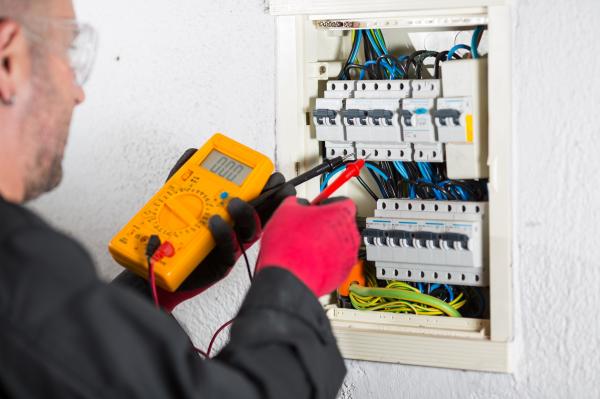
As a private landlord, it's your responsibility to ensure your property is safe. That it's in good repair and fit to live in. If the property is damaged or in need of repair it's you and not the tenant who must carry out the repairs. Whether it's fixing a sink or something far more serious like fire damage.

In the current market, tenants are struggling to find an appropriate property at their price point and within their timeframe. Rental fraud thrives in these desperate conditions as tenants are more willing to let their guard down and fail to ask the relevant questions for fear of losing out on a would-be deal.

No one enjoys confrontation. But for a private landlord in business for any length of time disputes with tenants are inevitable. Of course, disputes will vary in seriousness and many can be quickly resolved with a little common sense on both sides. Consulting the tenancy agreement is often all it needs to come to an agreement or to iron out any difficulties.

The property industry is set for a new Housing Minister following Dominic Raab's appointment as Brexit Secretary after David Davis' resignation. When Mr Raab's replacement takes post, he or she will be the eighth new housing minister since 2010.

For some reason, many private landlords worry about raising the rent. They are reluctant to approach their tenants and broach the subject of an increase. It's understandable. Talking to anyone about money is never easy especially when it concerns another person’s finances. You may worry the tenant can't afford the increase or will react angrily and move out leaving you with an empty property and no rent return.

The London Assembly today passed a cross-party motion calling on Mayor Sadiq Khan to back the abolition of section 21 no-fault evictions.

As with any business, private landlords will see peaks and troughs in demand for their properties. But for new landlords or those expanding their portfolio, knowing when demand will be highest is valuable information. If a private landlord acquires a property scheduling its release onto the market when most renters are active will help the property let quickly and for maximum rent.